Swap Flow Redesign – Boosting Transaction Success by 34%
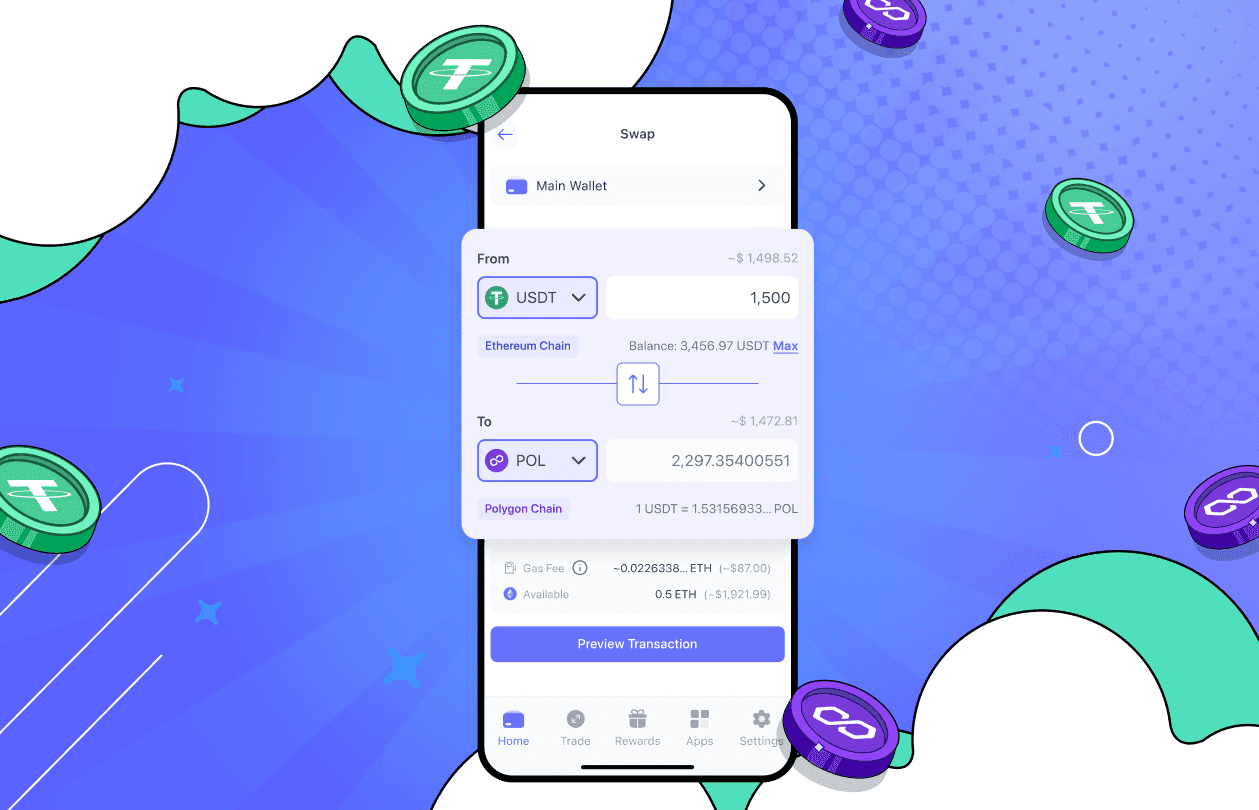
In this mobile-first Web3 wallet, Swap is a core feature that allows users to exchange tokens across blockchains. Improving this flow was key to enhancing the daily crypto experience.
Introduction
Swapping was the main way for users to exchange tokens within our platform. However, the existing flow wasn’t aligned with the real needs of our target audience, mainly degens crypto users noobs. This misalignment made the process harder to understand, harmed the overall experience, and ultimately affected conversion rates.
From a business perspective, this project was initiated to reduce friction along the journey, increase successful swap rates by at least 20%, and strengthen user retention.
Problem Statement
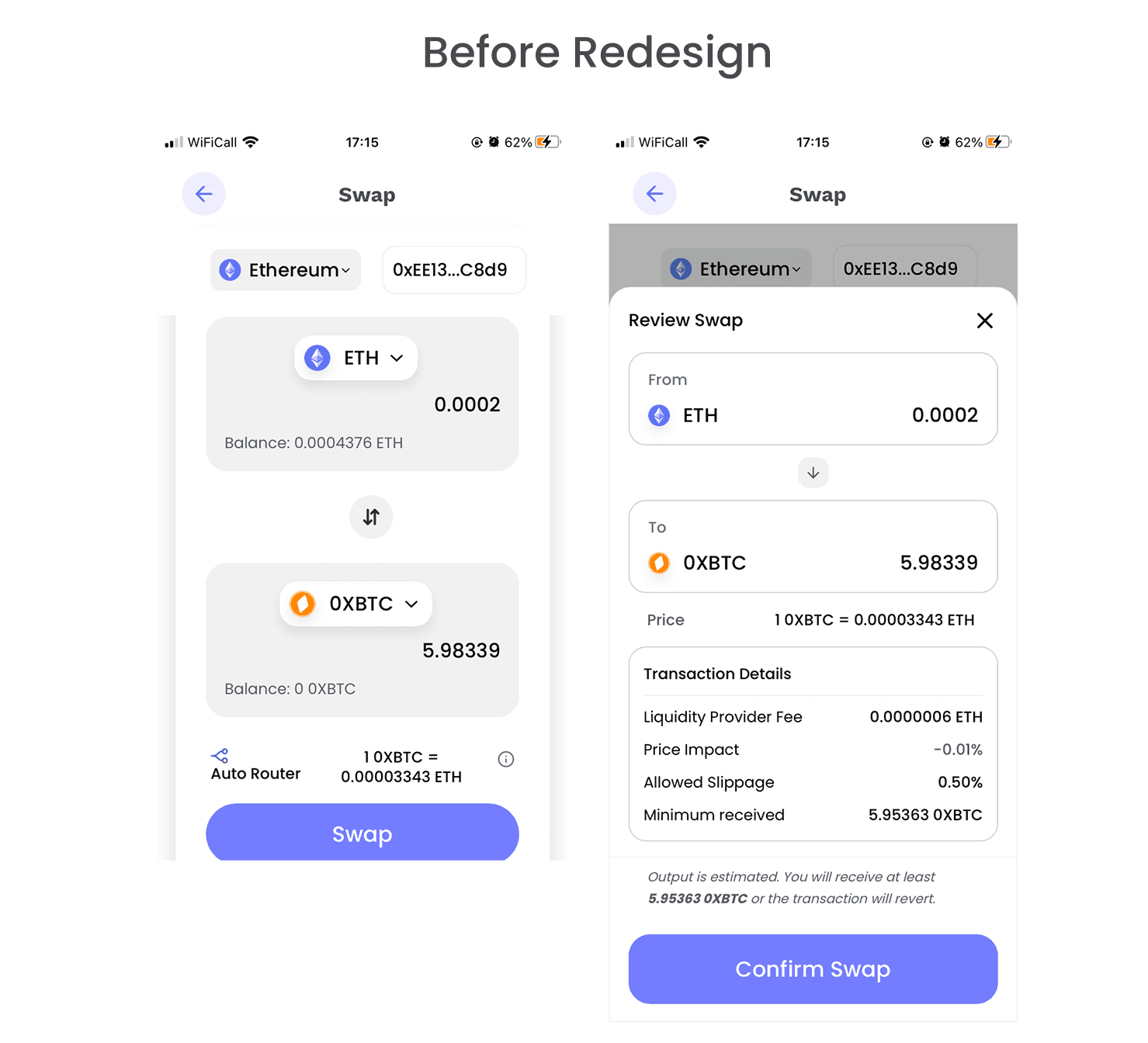
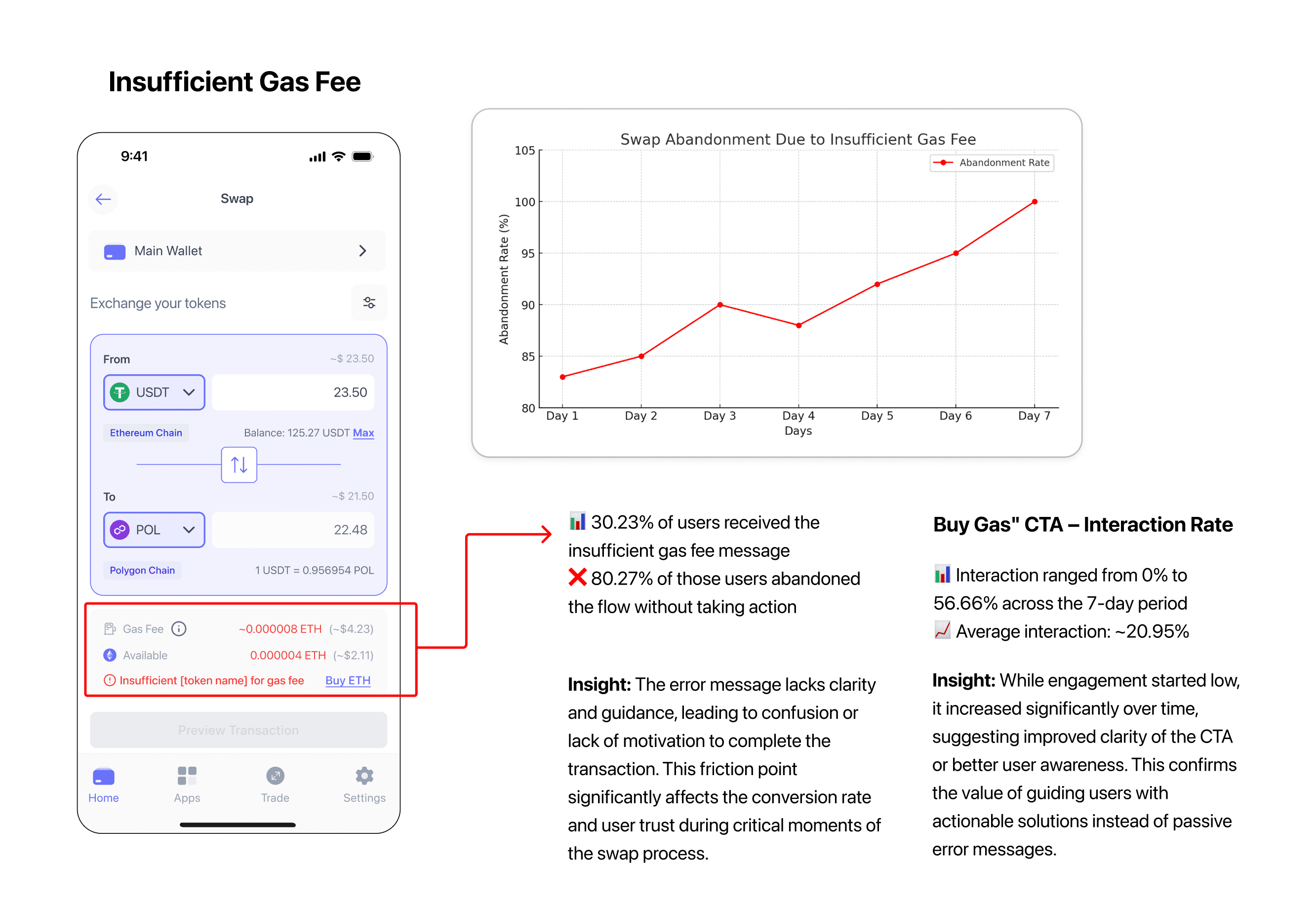
Users could only swap tokens within the same blockchain, with limited visibility and control over the process. Gas fees appeared too late in the flow, slippage adjustment was hard to find, and values were shown only in tokens, making it harder to understand, especially for beginners. For advanced users, the absence of a “Max” button to quickly select the full balance made the process slower and less fluid.
These pain points generated frustration, leading many users to abandon the swap. This raised the central question of the project:
How might we make the token swapping process clearer, faster, and more intuitive for users of all levels (from beginner degens to experienced crypto users)?
Main Goal
The main goal is an Implementation of a cross-chain swap flow focused on user experience, performance, and actionable metrics which:
• Enable seamless cross-chain swaps between multiple blockchains using the Rubic SDK (embedded via webview with integrated app navigation and styling).
• Provide users with competitive swap rates by aggregating multiple liquidity sources.
• Introduce a swap simulator allowing users to preview transactions without executing them, reducing friction and increasing transparency.
• Deliver a streamlined and intuitive UX, minimizing steps and providing clear feedback throughout the flow.
• Implement comprehensive data tracking: total volume swapped, success/failure rate, active users, and error logs, with real-time reporting through Segment and Amplitude.
Process
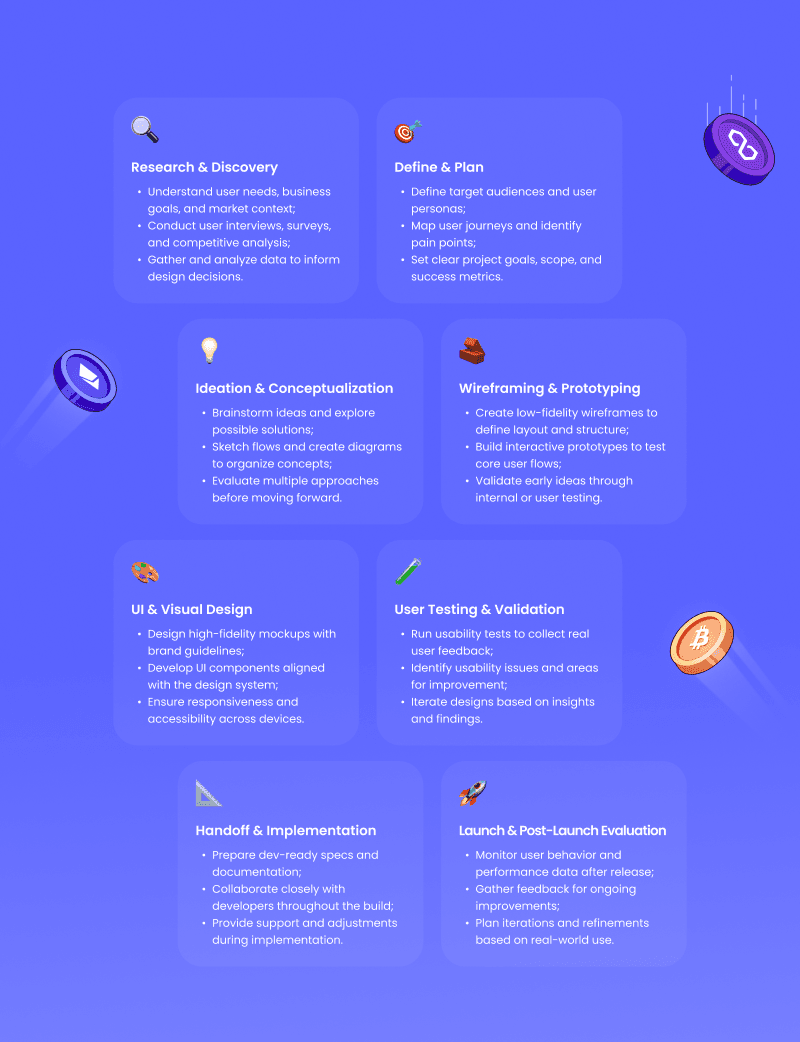
• We started with product discovery, analytics, and competitive analysis to identify key pain points, especially around transparency in cross-chain swaps.
• Aligned with the goal of delivering a seamless experience, we worked closely with product, devs, and stakeholders to define priorities like rate aggregation, transaction previews, and simplified confirmations.
• From there, we moved into prototyping, usability testing, and iterative refinements based on real feedback. Final designs were documented and implemented in close collaboration with the dev team, with staging validation before launch.
• All of these stages, from research to post-launch evaluation, will be detailed throughout this case study.
•This process is not linear and may change along the way. Unexpected issues require constant revisions and adaptations to ensure project effectiveness.
Research
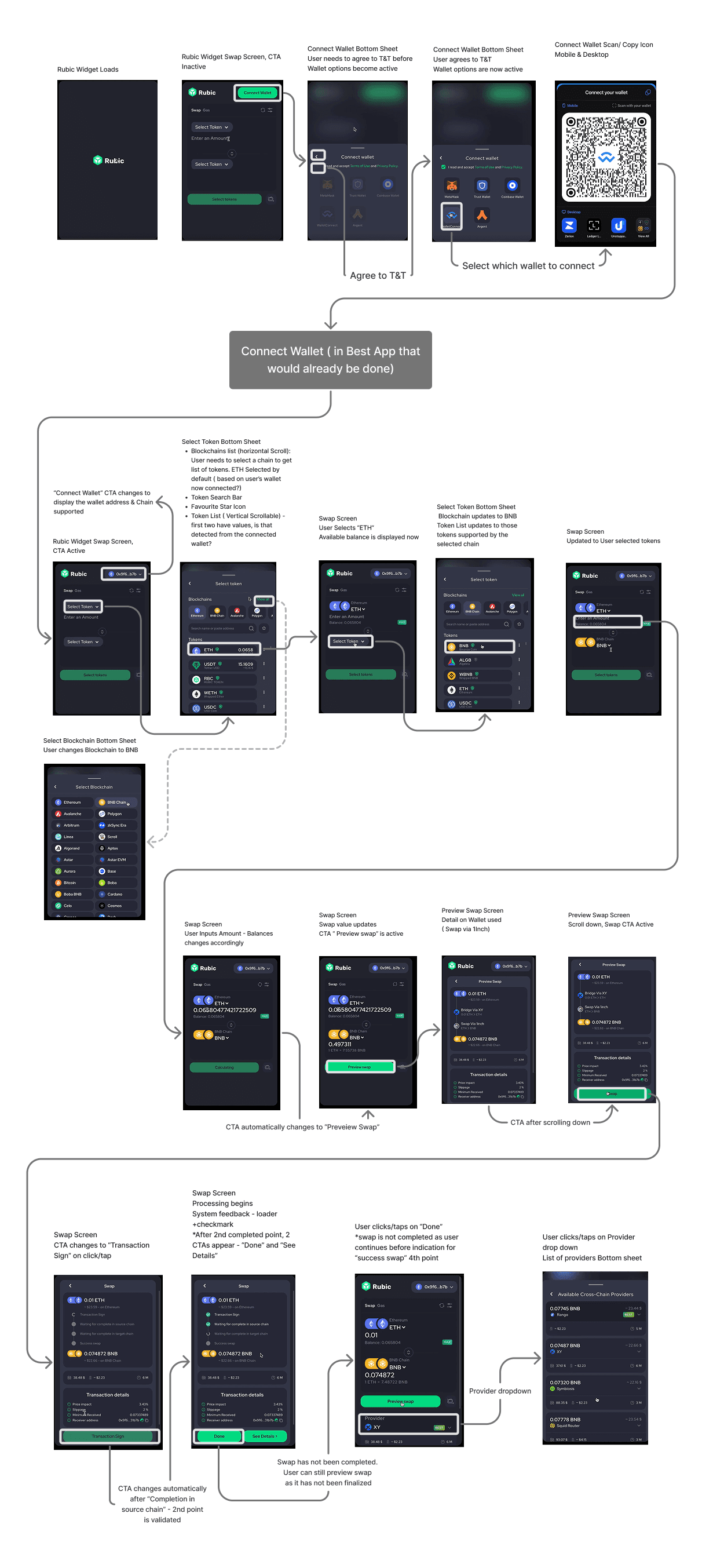
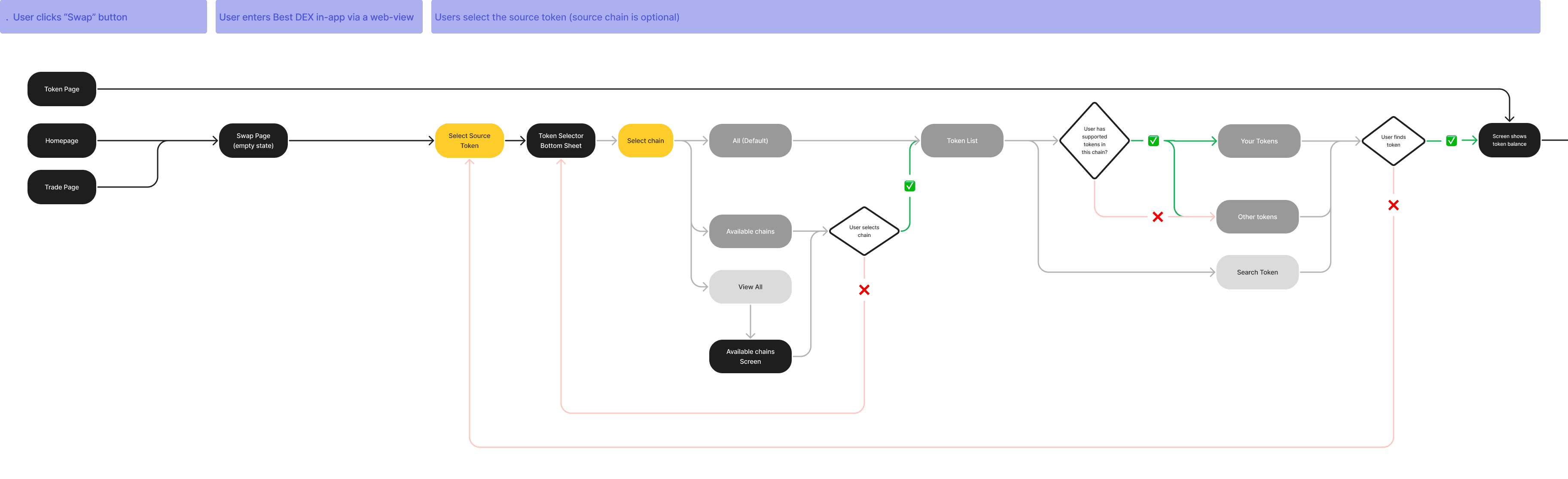
The first step was to analyze different swap solutions in the market by looking at competitors, their strengths and weaknesses, and user feedback. I focused on the UI, UX, user flows, and key features to identify common pain points and areas for improvement. I also studied Rubik, the protocol that will be implemented in Best Wallet, to better understand how it can improve the swap experience and solve current user problems.
Rubik Flow
Competitors

Based on the research and the analysis of the product’s strengths and improvement areas, we aligned the priorities with the product team and stakeholders, while also considering technical limitations and time constraints. From this, we moved forward with a more refined design proposal focused on creating a clearer and more intuitive experience for our target users.
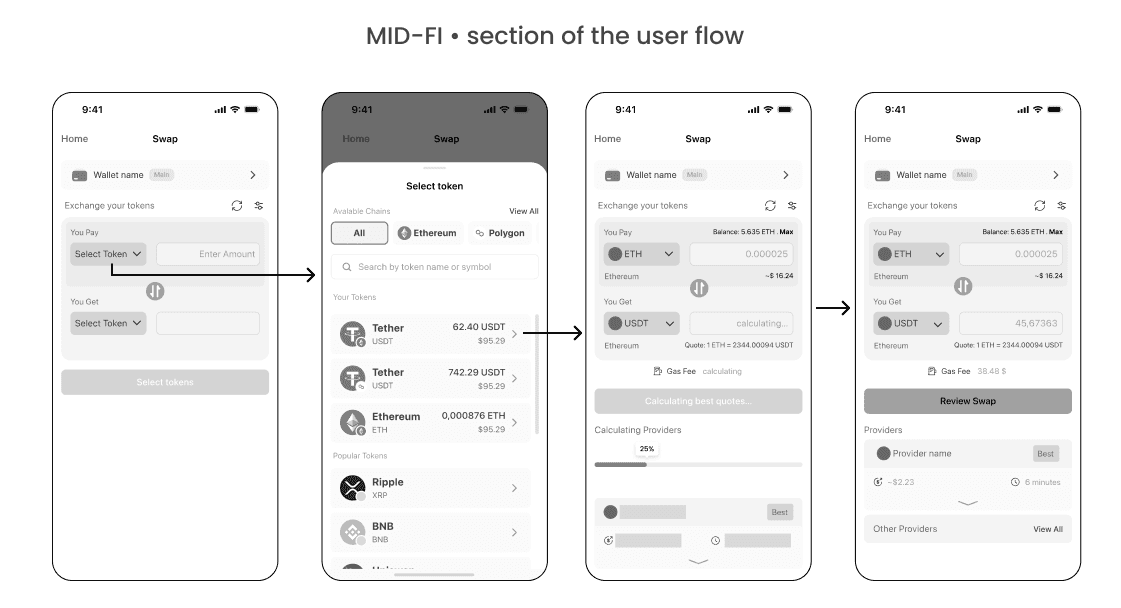
Once we had the high-fidelity prototype ready, we conducted user interviews. During the sessions, we shared the prototype link so users could interact with it while explaining their actions and decisions. This helped us better understand their needs and challenges, and allowed us to validate the design direction and gather real feedback to guide future improvements.
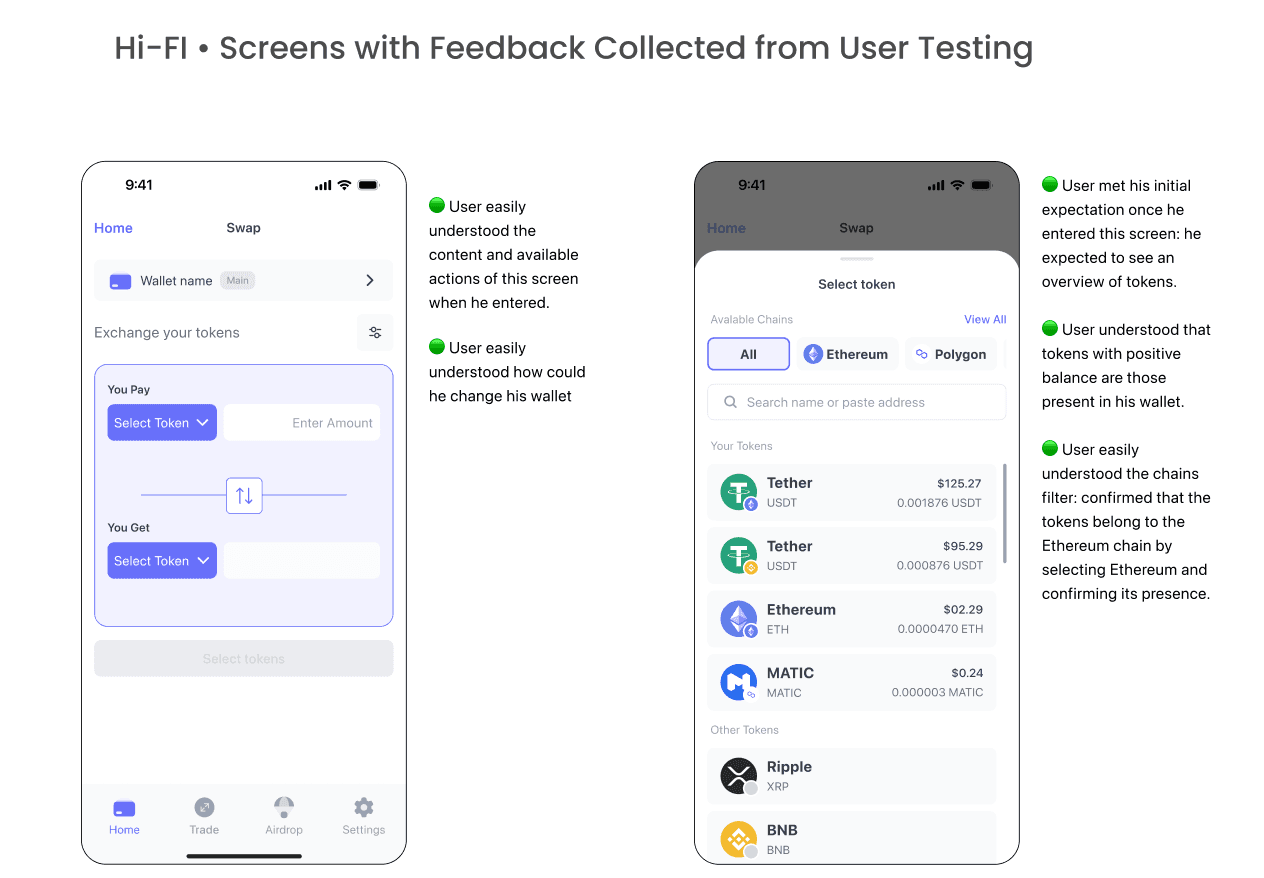
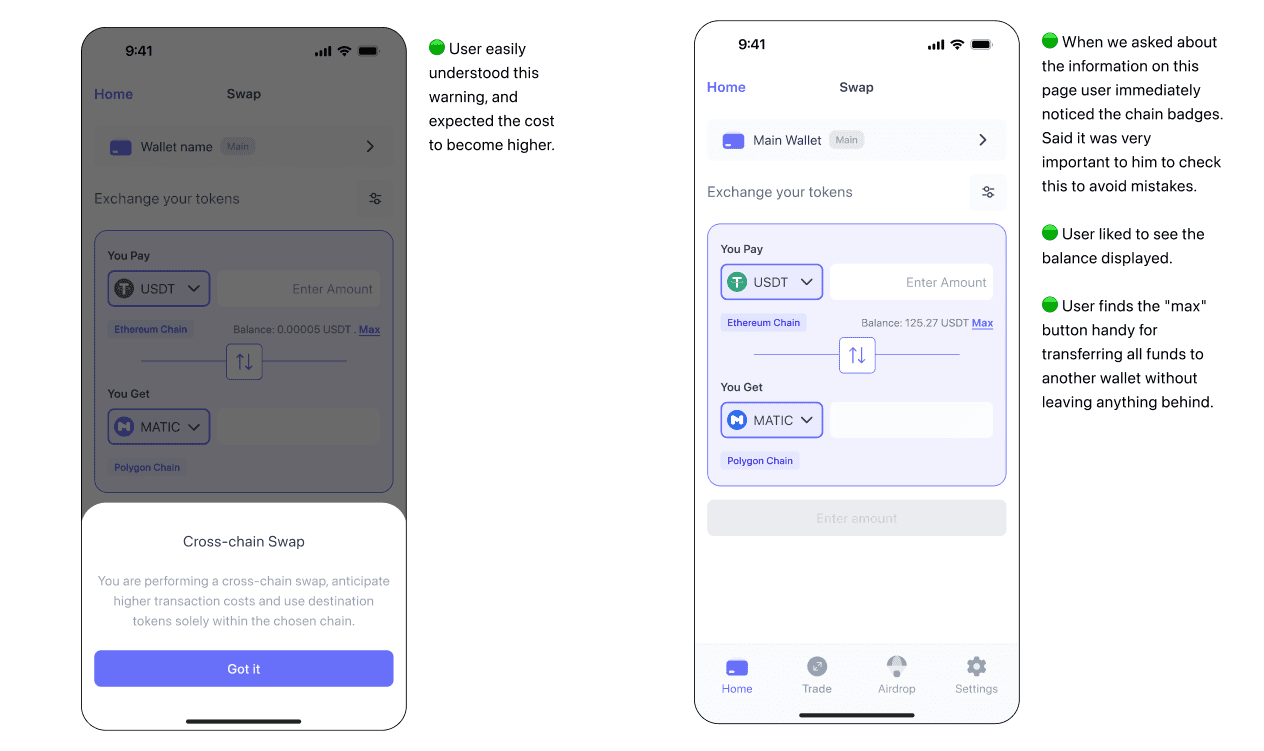
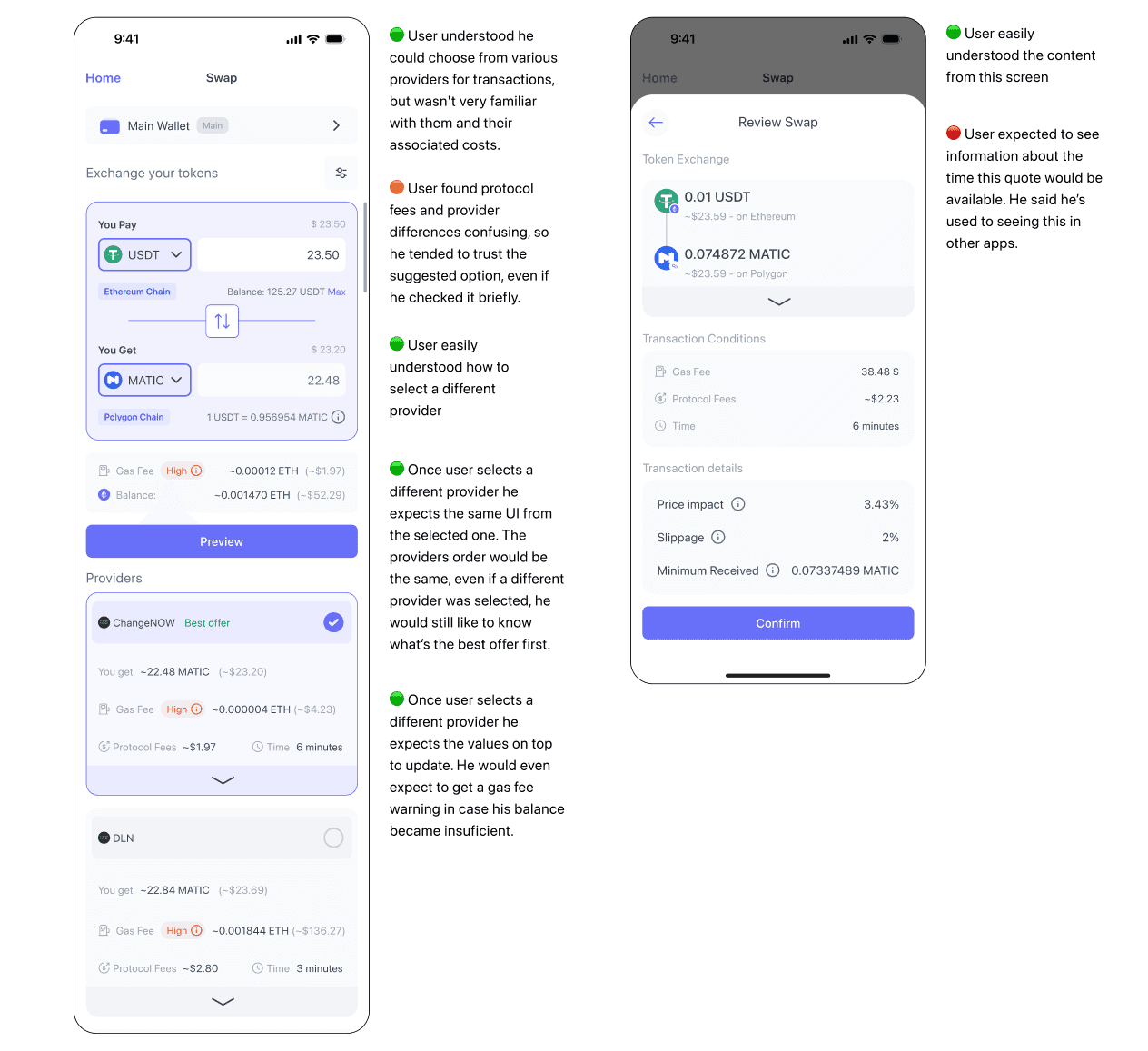
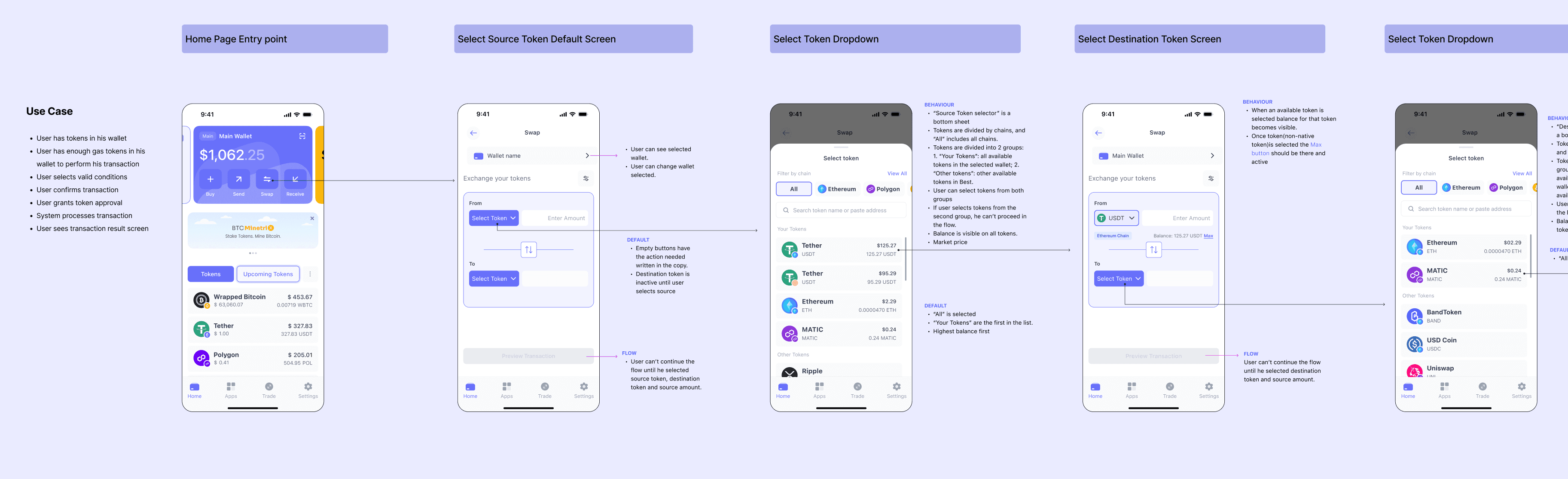
As part of the continuous improvement of the swap experience, we redesigned the Rubic widget based on feedback collected during user interviews. The goal was to make the process clearer and more intuitive, while giving users more visibility and control. We mapped the full task flow, including both happy paths and edge cases, to ensure a smoother journey. All UX issues identified were addressed with detailed solutions. The final result was a clean, responsive design aligned with the Best Wallet UI system, ready for implementation.
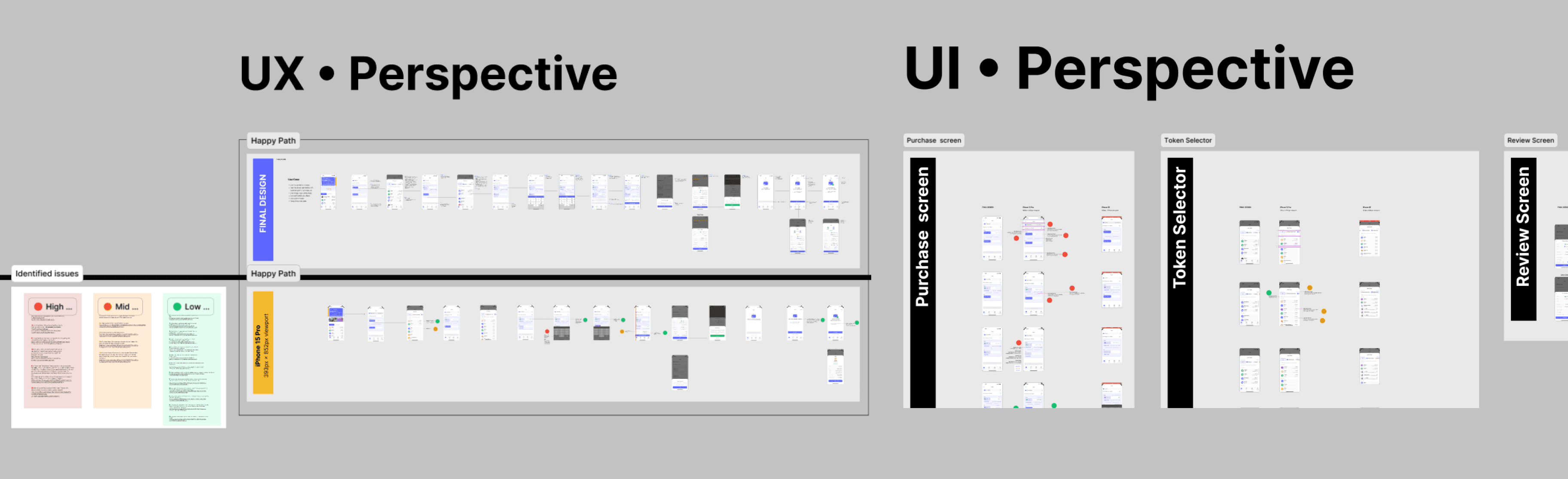
Following the handover preparation, we entered a critical testing phase using the staging environment. In this step, we meticulously reviewed the implemented Swap flow against the final designs, identifying discrepancies across both UX and UI. Issues were logged, categorized by priority (high, medium, low), and addressed collaboratively with the development team. This ensured that every user-facing element, from visual consistency to micro-interactions and flow logic, matched the intended experience. By resolving these points before release, we ensured a smoother rollout and reduced the risk of post-launch usability issues.
Final Impact
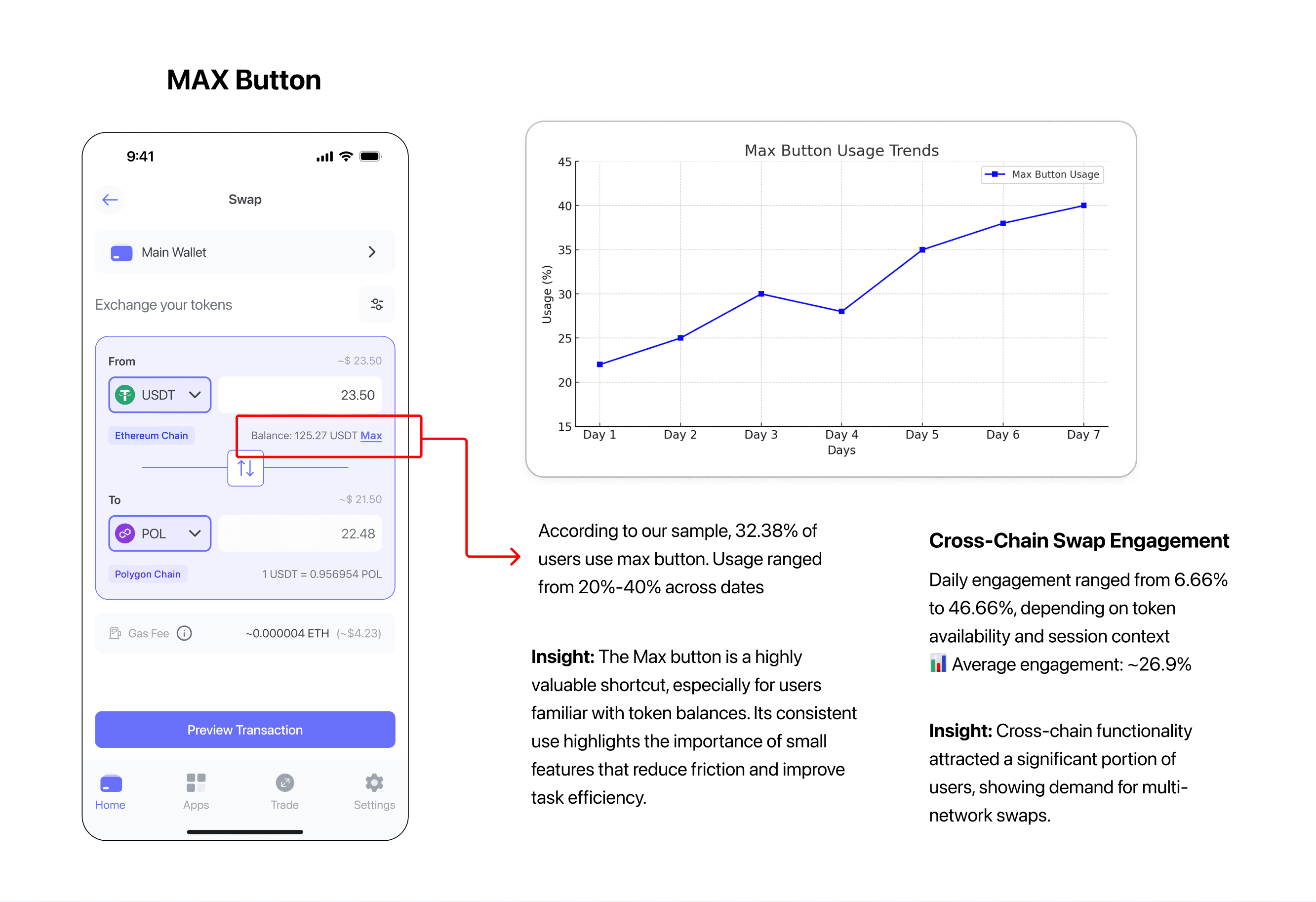
After launching the redesigned Swap flow and analyzing 140 user sessions over 7 days, we used real behavioral data to iterate and improve the experience. The outcome brought measurable improvements in usability and efficiency:
Conclusion
Through an iterative process, including research, prototyping, user testing, and behavioral analysis, we were able to significantly improve the user experience within the Swap flow.
After the redesign:
💸 Successful transactions increased by 34%
🛠️ Support tickets dropped by 27%
These results confirm the value of user-centered design, with a strong focus on clarity, responsiveness, and practical guidance during key moments of the user journey.
Other projects
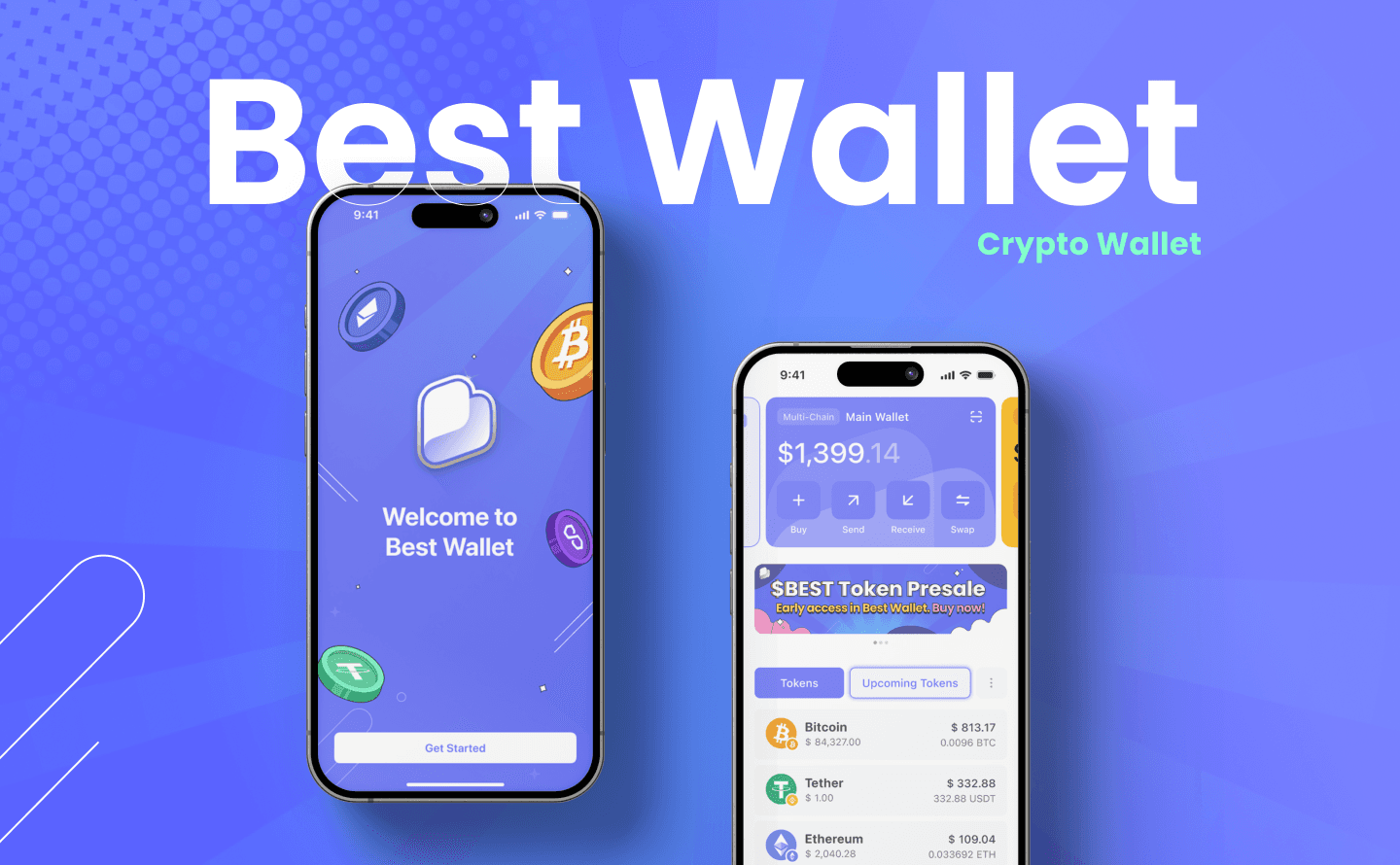
Best Wallet: Crypto Wallet Overview
Best Wallet is a secure, non-custodial crypto wallet that helps users manage assets, access early token launches, and trade smarter. Result: +842% user growth since Oct 2024, validating strong product-market fit.
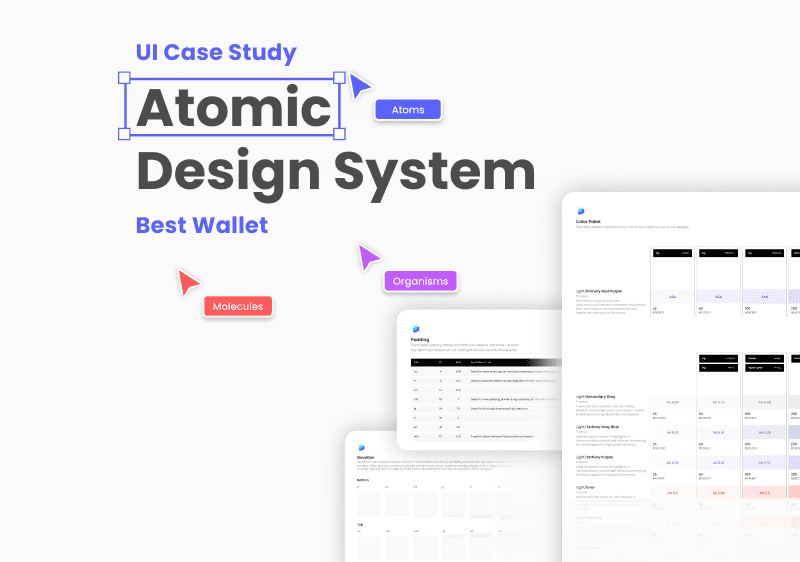
Design System: Crypto Wallet
As Best Wallet grew, we built a scalable design system to drive clarity, consistency, and faster delivery. Impact: +60% consistency • -30% onboarding time • +45% engagement.
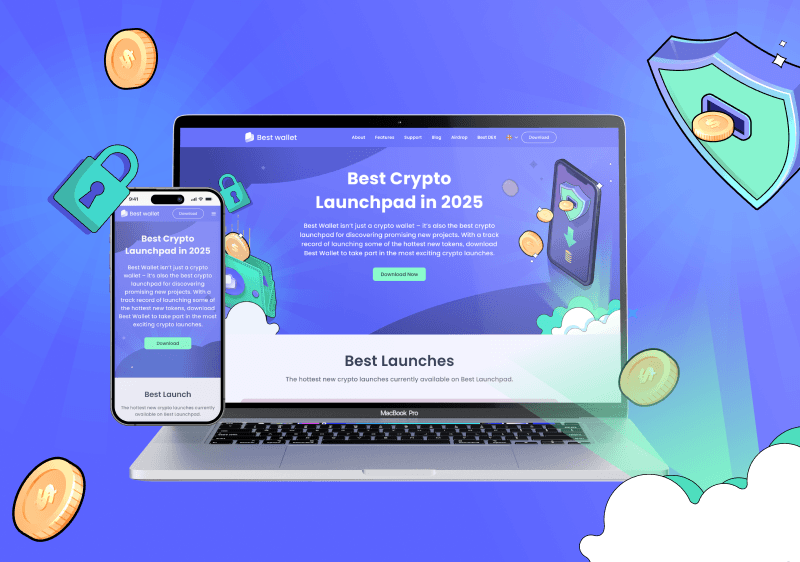
Best Wallet Launchpad
Landing page for BestWallet’s crypto launchpad, focused on SEO, credibility, and driving new user acquisition.